
Discovering new treatment strategies to cure blindness caused by neurodegeneration.
Advancing the careers of future influencers in vision science and biomedical research.
NEWS:
Jul 21-Aug 11, 2026: Welcome to the lab, Mary Brooks Hall.
She joined Vinberg lab from Wake Forest University and will work on ERG for three weeks.
Jun 22-Aug 14, 2026: Welcome to the lab, Kyndal Cunningham.
She joined Vinberg lab through the TRAVIS HBCU summer research program by UCI
May 3-7, 2026: ARVO Annual meeting 2026, Denver, CO.
Apr 27, 2026: The first lab meeting with all lab members, Hooray!
Frans Vinberg (PI), Min Hyung Kang (Project scientist), Sama Saeid (Postdoc), Micah Feri, Zia L’Ecuyer Morison (PhD candidate) and Lee Sturgis (PhD candidate)
Jan 1, 2026: New Vinberg lab begins at UC Irvine.
Dec 20, 2025: After 8.5 years at the Moran Eye Center, University of Utah, laboratory is moving to University of California, Irvine on Jan 1, 2026. We will be hiring postdocs and lab technician/specialist. If you are interested to use pioneering approaches to understand human vision, disease and develop treatments to cure blindness while living in beautiful Southern California area, email Frans Vinberg for more information. Follow the links for postdoc or specialist application portal above.
Dec 13, 2025: Our laboratory’s work was featured in the Best Medical Research Story of 2025. Read more here.
Dec 1, 2025: New publication accepted in Science Advances, stay tuned for more details.
Nov 25, 2025: Dr. Silke Becker secured tenure track faculty position at the University of Pittsburgh. Silke was an integral part of the laboratory since the beginning from 2017. Big loss but we are all happy for Silke and wish her success in her new position.
April 1, 2025: Vinberg laboratory and University of Utah spin-off company Eyescreen, Inc. receive SBIR Phase 1 grant from NIH/NEI to develop more predictive preclinical testing platform based on their pioneering work on human donor eyes. Read more from here.
November 1, 2024: Vinberg laboratory receives ARPA-H funding as part of a large consortium to advance vision restoration by whole eye transplantation. Read more here.
Millions of Americans are blind or severely visually impaired, and a majority of these blinding diseases affect the retina. Among the most common retinal diseases are AMD and retinitis pigmentosa (RP). In most cases, there is no treatment, and patients with these diseases can’t live independently or work.
The Vinberg Laboratory is using the latest technology and experimental approaches to understand how light signaling in the retina is affected in AMD and RP. This understanding is critical for developing new treatments to cure or slow visual impairment and blindness.
We use animal models of disease and human eye tissue from healthy as well as AMD-affected donors. We have established unique infrastructure and technology to recover and preserve human donor eyes that remain light-responsive (Nature). These tissues allow us to study functional aspects of the human fovea and macula and major blinding disorders as well as preclinical testing of sight-saving and -restoring therapies.
After 8 years at the Moran Eye Center, University of Utah, laboratory will move to Brunson Center for Translational Vision Research (BCTVR) at the University of California, Irvine. We will join a strong team of basic and translational scientists to tackle the most important and challenging problems in vision science and ophthalmology to advance development of therapies to treat retinal neurodegenerative diseases.
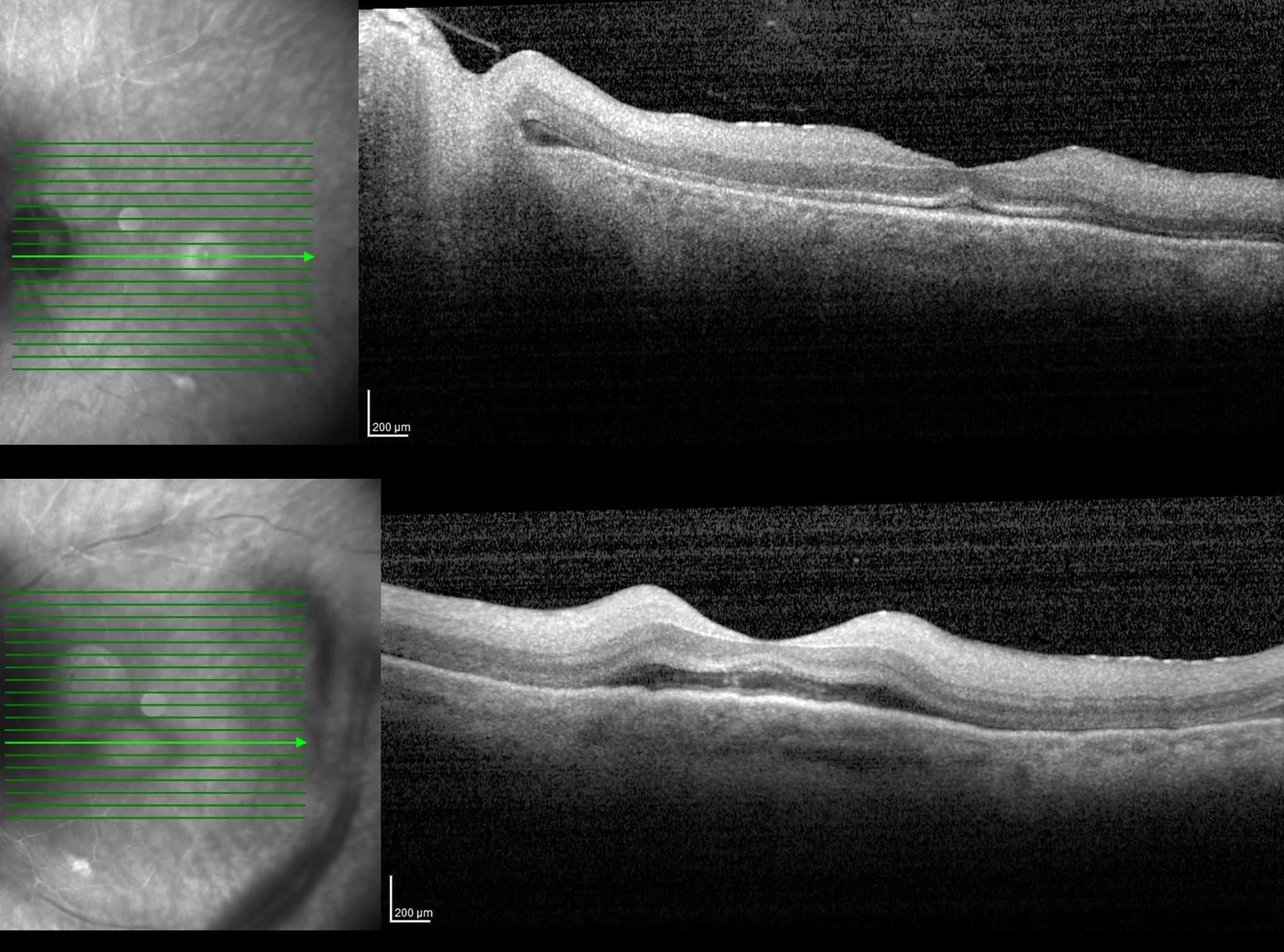
Ex vivo models to study ischemia-reperfusion injury and other retinal diseases
Vinberg lab and their spin-off company Eyescreen, Inc. are developing new approaches to study ischemia-reperfusion injury in the central nervous system as well as developing preclinical ophthalmic models for AMD, CRAO and inflammatory eye diseases. This work is based on our pioneering human donor eye work and patended technology developed in our laboratory., and is currently funded by NIH/NEI SBIR grant.
On the news:
August 1, 2025: Read story about our spin-off company that describes background and future goals of this translational research program.
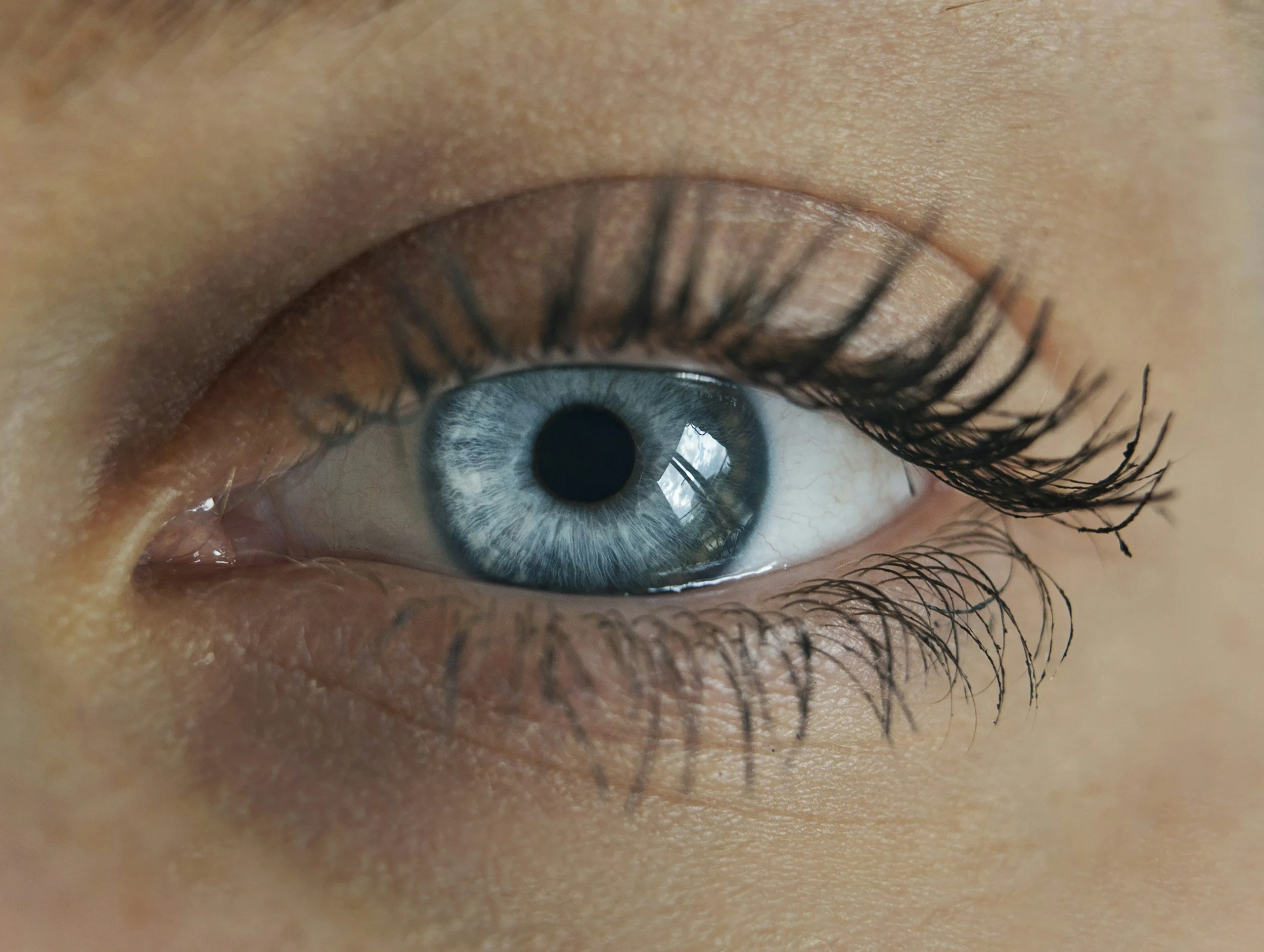
Eye transplantation
After loss of retinal neurons or traumatic eye injury, few if any, options are currently available to restore vision. Vinberg lab joins Stanford-led ARPA-H funded team to establish whole eye transplanation to restore vision in bilaterally blind patients where other treatment options are not available.
On the news:
Dec 2, 2024: Research highlight about our ARPA-H contract.

Dark adaptation and bright light vision
In aging, and specifically in AMD, one of the first noticeable effects on vision is the change in our ability to adapt to rapid decreases in ambient light. Patients, for instance, have often trouble driving at night when ambient light can change quickly (like the headlights from oncoming cars while driving). Photo credit: Matthew Michela.
On the news:
June 9, 2022: New paper published in Nature has been featured in several news outlets: ABC4; KSL; Nature podcast; WYPL-FM 89.3 Eye on Vision; EyewireTV,…
Sep 9, 2020: 5-year R01 from NIH/NEI grant awarded to study pigment bright light vision and dark adaptation in the human retina.
Dec 9, 2019: 4-year grant from Research to Prevent Blindness awarded to Vinberg lab to study dark adaptation mechanisms in the human macula.

Modulation of light signaling in the retina during retinal degenerative disease
Many blinding diseases are initially caused by photoreceptor degeneration and various strategies are being developed to restore vision including using stem cell and gene therapy approaches. However, it is now well known that photoreceptor degeneration triggers a remodeling process of the inner retina that may corrupt retinal signaling and make these therapies ineffective. Image modified from Leinonen et al. 2020, eLife.
On the news:
Nov 25, 2020: Research highlight about our research paper on the NIH/NEI news.
Nov 6, 2020: Frans’ radio interview by Vance Durbin at FM 89.3, Memphis, TX about the plasticity in the retina during photoreceptor degenerative disease.